Kent’s industrial landscape is moving forward with its sustainability agenda, as environmental regulations continue to evolve and adapt to the changing world, and clients expect more transparency around ecological performance. For industrial facilities, strengthening your approach to waste management is one of the most practical and measurable ways to demonstrate real commitment.
Sustainable industrial waste management in Kent begins with improving segregation across the site, and maximising recycling and recovery wherever possible. For many industrial operations in Kent, this means taking a detailed look at existing waste streams and identifying where valuable materials are being lost to general waste.
A sustainable approach also involves maintaining clear documentation and traceability. Industrial facilities must be able to show that waste is handled in line with environmental standards and regulatory requirements. Reducing reliance on landfill, lowering carbon impact, and working towards a more circular system of resource use are central to this process.
Tailored Waste Strategies for Kent’s Industrial Sectors
No two facilities generate waste in the same way. A food production site may need to manage organic by-products alongside packaging materials, with strict hygiene controls in place. A manufacturing plant could produce metal offcuts, oils, and specialist residues that require controlled handling. Warehousing and logistics sites across Kent often deal with high volumes of cardboard, plastic film, and pallet waste.
Each of these environments demands a bespoke solution by a trusted Kent industrial waste management company. Collection frequency, container type, segregation systems, and disposal routes must reflect the specific waste profile of the site. A generic approach rarely delivers strong recycling rates or cost efficiency.
Grey-Water Facilities Management works closely with our clients in industrial sectors to design tailored strategies for waste management. By assessing types and volumes of waste, we create systems that align with sustainability objectives and day-to-day practicalities. Your processes are also examined to support compliance with regulatory bodies such as the Environment Agency, helping to protect your business from risk.
Supporting Your Sustainability Goals
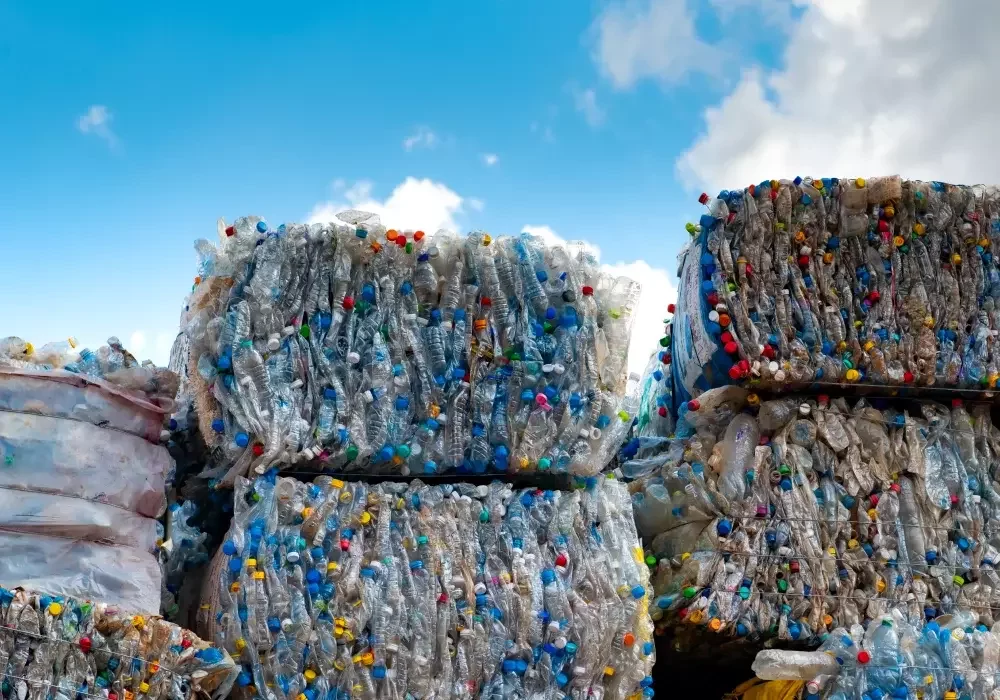
Industrial facilities can strengthen their sustainability efforts through structured waste audits, improved staff training on segregation, and reviewing supplier packaging practices. These steps help prevent contamination of recyclable materials and reduce unnecessary waste entering the site. However, sustaining these improvements requires oversight and specialist expertise. Partnering with an experienced FM provider ensures thatKent factory waste management remains proactive rather than reactive. Ongoing monitoring, reporting, and adjustments allow your strategy to evolve alongside your operations.
A conscious commitment to sustainable waste management brings clear advantages. Improved environmental performance enhances your reputation with clients, investors, and supply chain partners. Efficient segregation can reduce disposal costs, while stronger compliance reduces the likelihood of penalties or disruption.
For industrial facilities in Kent, sustainable waste management is a strategic business decision and by partnering with Grey-Water FM, you can embed sustainability into your daily operations and build a waste management solution designed around your facility’s unique waste channels and long-term ambitions.
